
"coffee from Zambia"
400 article(s) found

What are the characteristics of boutique Kenyan coffee AA? do you need to add sugar?
In an article published last week, I introduced my research on coffee zones in Africa to readers. I want to continue to focus on the region, but focus on a country and share the unique perspective that that country provides for coffee growth and production. This leads to a question: which country should I choose? In seven countries where coffee is grown in Africa, (Burundi, Ethiopia, Kenya, Malaysia)

A brief introduction to the flavor, taste and aroma characteristics of boutique coffee beans in Arusha Cafe
Tanzania covers an area of 945087 square kilometers, of which Zanzibar is 2657 square kilometers. It consists of the mainland, Zanzibar and more than 20 small islands. Located in eastern Africa and south of the equator, the continent is bounded by the Indian Ocean to the east, Zambia, Malawi and Mozambique to the south, Rwanda, Burundi and the Democratic Republic of the Congo to the west, and Kenya and Uganda to the north. The coastline of the mainland is 840 kilometers long.

A brief introduction to the Market Price of Fine Coffee beans in Arusha Coffee Manor with Pure Flavor
Tanzania covers an area of 945087 square kilometers, of which Zanzibar is 2657 square kilometers. It consists of the mainland, Zanzibar and more than 20 small islands. Located in eastern Africa and south of the equator, the continent is bounded by the Indian Ocean to the east, Zambia, Malawi and Mozambique to the south, Rwanda, Burundi and the Democratic Republic of the Congo to the west, and Kenya and Uganda to the north. The coastline of the mainland is 840 kilometers long.

A brief description of the flavor and aroma characteristics of fine coffee beans in Arusha Coffee Manor with complex taste
Tanzania covers an area of 945087 square kilometers, of which Zanzibar is 2657 square kilometers. It consists of the mainland, Zanzibar and more than 20 small islands. Located in eastern Africa and south of the equator, the continent is bounded by the Indian Ocean to the east, Zambia, Malawi and Mozambique to the south, Rwanda, Burundi and the Democratic Republic of the Congo to the west, and Kenya and Uganda to the north. The coastline of the mainland is 840 kilometers long.
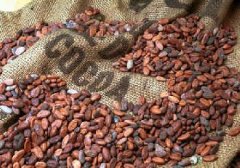
Coffee bean information Kenyan coffee export earnings increased by 17% from 2013 to 2014
As a result of higher production and higher prices, Kenyan coffee exports increased by 17 per cent to US $254 million from October 2013 to September 2014, and exports increased by 25 per cent to 49500 tons. Kennon benefited from a drought in Brazil, the world's largest coffee producer, last year, which led to a rise in global coffee prices. The export market of Ken coffee is also gradually expanding, in addition to the traditional European and American markets.

Coffee from the top producing areas in the world introduces fine coffee
Central American Coffee CENTRAL AMERICA COFFEES Costa Rica Coffee Costa Rica Coffees Guatemala Coffee Guatemala Antigua Coffees Mexican Coffee Mexican Coffees Nicaragua Coffee Nicaragua Coffees Panama Coffee Panama Coffees Honduras Coffee Honduras Coffees Salvador Coffee El Sa
The names of boutique coffee beans from various countries
List the names of boutique coffee beans all over the world
Rumumma AAA, Tanzania
Tanzania is a typical East African country, bordering Kenya and Uganda to the north, Malawi, Mozambique and Zambia to the south, and Rwanda and Burundi to the west.

Flavor description characteristics of Zambian Coffee the taste of the variety produced by regional treatment
Zambian Coffee Flavor description characteristics Regional processing method Coffee originated from Ethiopia in Africa, and then moved to Yemen in the Arab region of the Middle East, so some people call it Arabica. Then it spread to Java, Indonesia, and from there to Latin America. African coffee was previously grown in Congo, Uganda and other places, for Robster coffee. There is also a kind of
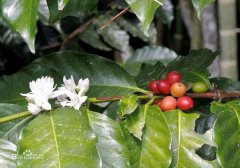
What are the boutique coffee producing areas in Africa?
The best way to harvest high-quality coffee beans is to harvest them manually. That is, only mature coffee fruits are picked to prevent coffee fruits with inconsistent maturity from being picked at the same time. Because those unripe and overripe fruits will affect the balance and stability of coffee taste, boutique coffee needs to be picked frequently and carefully during harvest. African Coffee beans Democratic Party of the Congo

World knowledge Press Beijing World knowledge Bookstore (Coffee Bookstore) officially opened
Ma Fengchun, president of the World knowledge Publishing House, delivered a speech to the guest at the scene-"the Notes of doctors of my African Medical team for Ten years of Aid to Africa." the launch of the new book was held ceremoniously on April 23, World Reading Day. In the quiet dry noodle alley beside Jinbao Street, came the mellow smell of coffee. World knowledge Publishing House directly under the Ministry of Foreign Affairs Beijing World knowledge Bookstore (Coffee Bookstore) officially opened for readers, authors,

A brief introduction to the market price of smooth and gentle Kilimanjaro boutique coffee beans
Mixed preparation: first: choose good quality coffee beans, because the use of poor quality coffee beans, of course, will greatly damage the flavor of coffee, even if you produce a very balanced single coffee, but also can not make delicious coffee, choose good quality coffee beans, is the biggest point. Second: get rid of defective beans, mixed with defective beans, the taste will become worse. So don't be stingy.
What is the quality of coffee beans? what is the taste of coffee?
Coffee fruits from Brazil (Arabica) Brazil: Santos, Bahia, Cerrado, Mogiana Peru: Chanchmayo, Cuzco, Norte, Puno Democratic Republic of the Congo: Kivu, Ituri Rwanda: Kivu Kenya: Kenny

What are the coffee customs in different regions of the world with different coffee knowledge
Coffee fruits from Brazil (Arabica) Brazil: Santos, Bahia, Cerrado, Mogiana Peru: Chanchmayo, Cuzco, Norte, Puno Democratic Republic of the Congo: Kivu, Ituri Rwanda: Kivu Kenya: Kenny

Types of coffee beans what are the requirements for the growing environment of coffee beans
Coffee fruits from Brazil (Arabica) Brazil: Santos, Bahia, Cerrado, Mogiana Peru: Chanchmayo, Cuzco, Norte, Puno Democratic Republic of the Congo: Kivu, Ituri Rwanda: Kivu Kenya: Kenny

Soft acidity of Kilimanjaro Fine Coffee Bean cultivation Geographic location, Climate and altitude
Drip filter: wet the coffee powder with water and let the coffee liquid flow through the filter cloth or filter paper and flow into the container at the speed of natural fall. Basically, this method does not soak the coffee powder, just let the hot water pass slowly through the coffee powder. Both the drip cup and the electric coffee maker fall into this category and are the simplest brewing tools that can make clean and brightly colored coffee. Follicle type: put the coffee powder
Types of coffee beans around the world
There are mainly two kinds of coffee on the market, such as Coffea Arabica and Coffea Robusta. Each of them can be subdivided into more variety branches. Most of the coffee beans in circulation on the market are distinguished by their origin. The following is a list of some of the major producing countries and their famous coffee: Brazilian coffee fruit (Arabica) Brazil: Santos, Brazil

What are the most common coffee producing countries? How does coffee taste outside the coffee belt?
Professional barista communication, please pay attention to coffee workshop (Weixin Official Accounts cafe_style) Where do coffee beans come from? The coffee growing area of the world is mainly concentrated in the belt area between the Tropic of Cancer, which is also collectively referred to as the Coffee Belt because it circles the earth. In addition to the countries suitable for growing coffee in this ring coffee belt, according to the region and local soil
Coffee encyclopedia Coffee beans from all over the world
When you drink coffee, do you notice what kind of coffee beans are ground? There are many varieties of coffee beans with different tastes. At present, most of the coffee beans on the market are distinguished by their origin. Some of the major producing countries and their famous coffee are listed below, and there are professional coffee companies in many countries that roast and grind their own coffee beans and pack them into brand coffee.

A brief introduction to the flavor and aroma characteristics of Kilimanjaro coffee beans with woody aroma
Produced in the Mohi district near Mount Kilimanjaro, the mountain area with a height of 3,000 to 6,000 feet is the best place to grow coffee, where fertile volcanic ash gives the coffee a strong texture and soft acidity. It exudes delicate aromas and contains aromas of wine and fruit, making people taste endless aftertaste. After drinking Kilimanjaro coffee, I always feel